
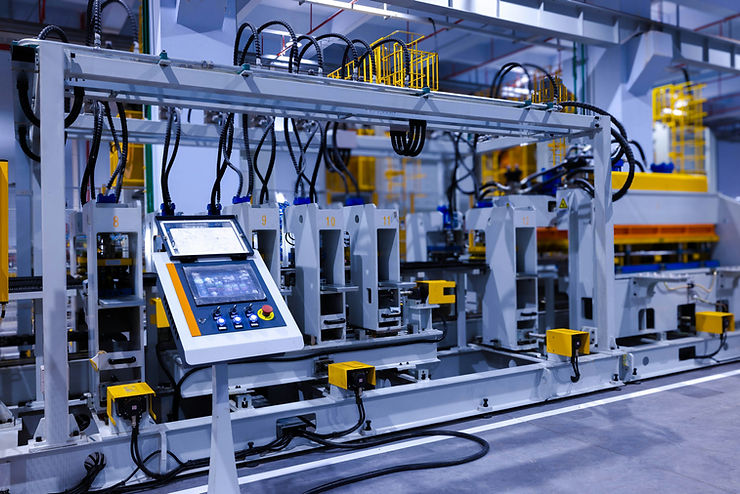
Factories today don’t look—or sound—like they used to. The noise of machines remains, but now it’s mixed with the quiet hum of sensors, data streams, and dashboards that tell you what’s really going on. Industrial IoT (IIoT) has quietly become the backbone of the modern smart factory.
But here’s the thing: while the tech looks futuristic, the goal isn’t. It’s still about efficiency, uptime, and cost control. The difference? Manufacturers now have more visibility—and more control—than ever before.
Let’s unpack what that actually means in practice.
What Is Industrial IoT (IIoT) and Why It Matters
Industrial IoT uses connected devices, sensors, and IoT platforms to monitor and optimize industrial operations. In simple terms: machines talk to machines, and humans finally get clear data.
At its core, IIoT enables:
- Real-time data collection from machines and production lines
- Predictive maintenance that prevents costly downtime
- Energy and resource optimization
- Smarter quality control
That may sound abstract, but it’s not. A mid-sized manufacturer might use an IoT platform to track machine vibrations. If one starts to deviate from normal, the system flags it before a breakdown occurs. Maintenance teams get an alert, fix the issue, and production keeps rolling.
Well—almost. Getting there requires planning, API integration, and clear data governance.
Smart Factory: From Manual to Data-Driven Manufacturing
A smart factory is often described as “self-aware.” That’s a bit dramatic, but there’s truth to it. These factories can analyze data in real time, learn from it, and adjust processes automatically.
Here’s a simple example:
| Area | Traditional Approach | Smart Factory Approach |
| Machine maintenance | Fixed schedule | Sensor-based predictive maintenance |
| Quality control | Random sampling | Continuous monitoring |
| Energy use | Manual checks | Automated optimization |
| Production tracking | Paper logs | Real-time dashboards |
One client once said, “We stopped chasing problems. Now we see them coming.” That’s the real shift IIoT brings—less reaction, more prevention.
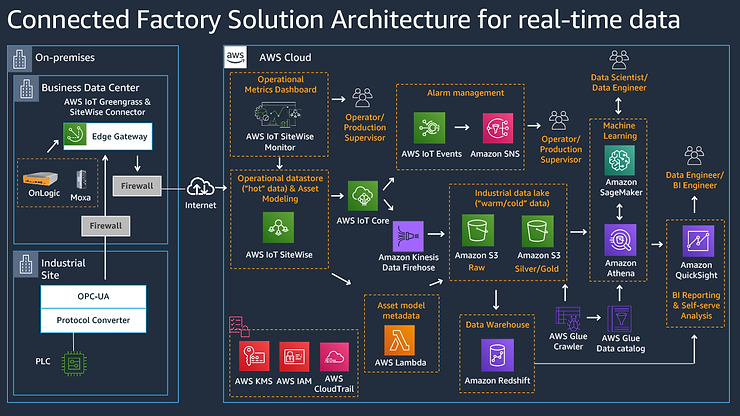
Still, it’s not magic. It depends on the right IoT architecture, skilled teams, and the ability to connect systems through custom software development.
Predictive Maintenance: Reducing Downtime with IoT
If you ask plant managers what keeps them up at night, it’s downtime. Every hour lost can cost thousands—or millions—depending on the operation. That’s why predictive maintenance has become one of IIoT’s strongest value points.
By collecting sensor data—temperature, vibration, current draw, pressure—you can spot early warning signs long before a failure. For instance:
- A motor running slightly hotter than usual
- A compressor drawing more current than expected
- A vibration pattern changing over time
Any of these could mean trouble. With predictive analytics, they become insights instead of emergencies.
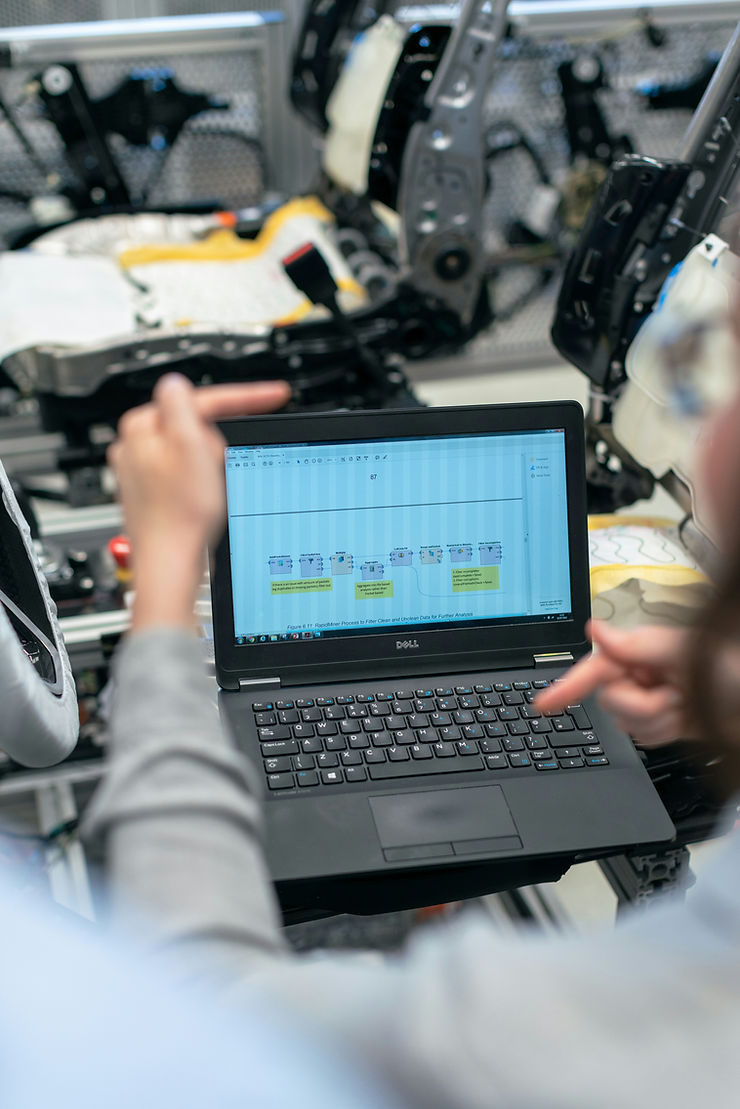
One global auto manufacturer saw a 25% drop in unplanned downtime after deploying predictive maintenance. Another reduced maintenance costs by 30%.It’s not instant, though—predictive models take time to learn. But once tuned, they rarely disappoint.
Choosing the Right IoT Platform
Not every IoT platform fits every factory. Some are built for flexibility, others for integration with ERP and MES systems.
When evaluating, consider:
- Data compatibility – Can it connect to legacy equipment?
- Scalability – Will it handle thousands of sensors?
- Security – How is data protected from cyber threats?
- Integration – Can it talk to your ERP or cloud tools?
- Support & customization – Who owns the logic: you or the vendor?
You might start small—say, one production line—and scale as you learn. A gradual rollout helps teams adapt and keeps budgets realistic.
And yes, sometimes the first attempt reveals gaps. Maybe sensors aren’t ideally placed. Or the analytics dashboard feels clunky. That’s fine—it’s part of the learning curve.
Considering an IoT rollout? Book a free consultation.
Measuring Real ROI from Industrial IoT
IIoT investments pay off most clearly in operational metrics. You’ll often see:
- Higher equipment availability (OEE) — up by 10–20%
- Lower maintenance costs
- Reduced energy consumption
- Improved product consistency
- Faster issue detection and resolution
One electronics manufacturer cut their scrap rate by 15% simply by tracking humidity and temperature through IoT sensors. Small tweaks—big results.
However, not all benefits are immediate. Data maturity takes time. The first few months may highlight inefficiencies rather than fix them—but that’s progress.
Common Challenges in Industrial IoT Implementation
Not every project succeeds. Some stall because teams try to do too much too fast; others because leadership expects instant ROI.
Typical pitfalls include:
- Poor data quality → Validate each data source first.
- Resistance to change → Train early and show small wins.
- Disconnected systems → Integrate step by step.
- Security gaps → Regular audits and encrypted data flow.
And sometimes, people just get tired of dashboards. Keep the UX simple. Engineers love data—but they love useful data even more.
A Practical Roadmap to IIoT Adoption
You don’t have to transform overnight. Here’s a realistic plan:
Phase 1 – Assess & Plan
- Identify key assets and metrics.
- Audit infrastructure and connectivity.
Phase 2 – Pilot Project
- Connect a few machines.
- Gather data for baseline analysis.
Phase 3 – Scale & Integrate
- Expand to multiple lines.
- Integrate with AI/ML services for deeper insights.
Phase 4 – Optimize & Secure
- Automate responses.
- Tighten cybersecurity and refine data rules.
Need technical guidance? Talk to an expert.
Securing Your Smart Factory and Data
As data moves between machines and the cloud, security becomes critical. A single breach can halt production or expose sensitive data.
Best practices include:
- Segmenting IT and OT networks
- Encrypting all device communication
- Using role-based access
- Keeping firmware updated
Some clients use hybrid setups—on-prem for critical systems, cloud for analytics. It’s a sensible balance between control and scalability.
Case Example: Predictive Maintenance Success
A European food producer struggled with recurring downtime. Maintenance was reactive. After installing IoT sensors to monitor motor speed and temperature, they noticed a consistent pattern—breakdowns followed small drops in RPM.
Within six months, downtime fell by 40%. The CFO later said, “We thought it was a tech upgrade. It turned into a cultural one.”
That’s the quiet transformation IIoT brings—visibility, accountability, and steady improvement.
The Future of Smart Manufacturing
Industrial IoT is just the start. As edge computing and machine learning evolve, factories will become even more adaptive—real-time decisions, automated adjustments, and AI-assisted maintenance.
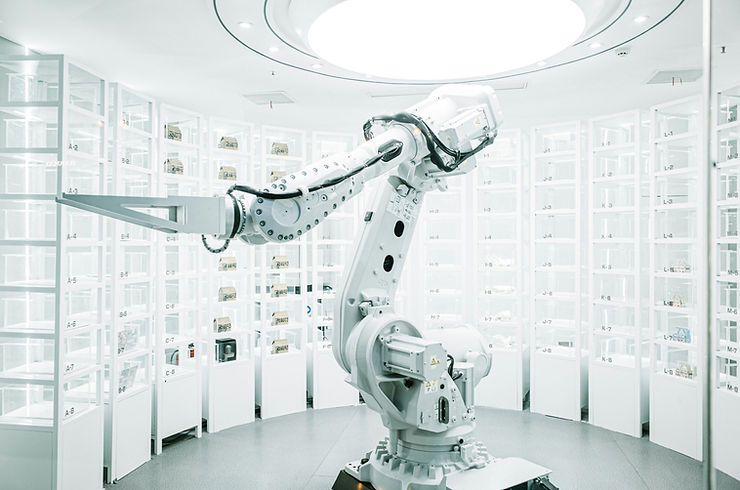
But the key isn’t more data. It’s better data—and people who act on it. Technology won’t replace experience. It amplifies it.
And yes, there’s always the risk of overcomplicating things. But the trend is clear: connected, data-driven manufacturing is no longer optional.
Ready to explore IIoT for your facility? Contact an expert today.
FAQ: People Also Ask
Industrial IoT and Smart Manufacturing with Invatechs
Invatechs helps manufacturers design, integrate, and scale their Industrial IoT solutions—from device connectivity to predictive analytics.
Our team builds reliable, secure systems using custom APIs, AI/ML models, and cloud infrastructure tailored to your operations.
If you’re exploring how to modernize your factory or reduce downtime, let’s talk.
Book a consultation and see how smart manufacturing can actually pay off.