
Heading into 2026, consumers expect seamless experiences, whether shopping online, on mobile, or in-store. What used to be optional technology is now a strategic advantage, especially for retailers competing across multiple channels.
Modern retail software solutions are no longer just tools—they’re the backbone of operations. They connect sales, inventory, marketing, and analytics, giving managers real-time insights and actionable intelligence. But technology alone isn’t enough. How it’s implemented, integrated, and adopted across teams is just as critical.
Let’s explore the retail software trends that will define 2026, with real examples, mini-case studies, and practical insights.
E-Commerce Platforms: Beyond the Shopping Cart
E-commerce platforms in 2026 are smarter, more flexible, and increasingly interconnected. The focus is shifting from just selling products to delivering experiences, often personalized at scale.
Key trends include:
- Headless commerce: Decouples front-end experiences from backend systems, enabling rapid changes in UI without disrupting core operations.
- AI-driven personalization: Platforms now recommend products in real time based on behavior, location, and past purchases.
- Voice commerce: Consumers can now order via smart speakers or voice assistants, and platforms are adapting.
- Global marketplace integration: Shopify, Magento, and other platforms increasingly connect with marketplaces like Amazon, Lazada, or regional players.
For example, a mid-sized fashion retailer integrated its e-commerce site with Instagram Shopping and Amazon Marketplace. The result? Orders increased by 25% in the first quarter, and manual reconciliation work dropped dramatically.
But it’s not all smooth. Integrating multiple marketplaces can create inventory conflicts or duplicate listings if not managed carefully. Many businesses start small—testing one or two platforms before scaling fully.
POS Software: Smarter, Faster, Everywhere
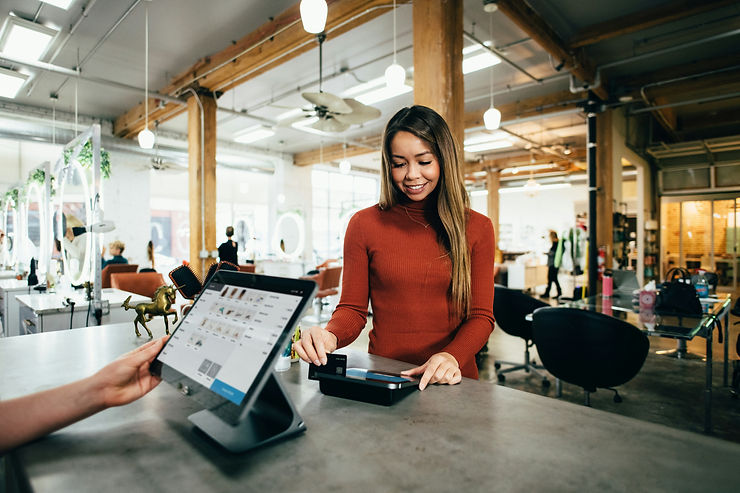
Point-of-sale software has evolved beyond traditional cash registers. In 2026, POS systems are central hubs, connecting sales, inventory, loyalty programs, and customer insights.
Key trends:
- Mobile and tablet POS solutions: Enable checkout anywhere in the store, reducing lines and improving customer experience.
- Integrated CRM: Tracks purchase history, loyalty points, and personalized promotions.
- Self-service kiosks: Customers can scan and pay independently, freeing staff for service.
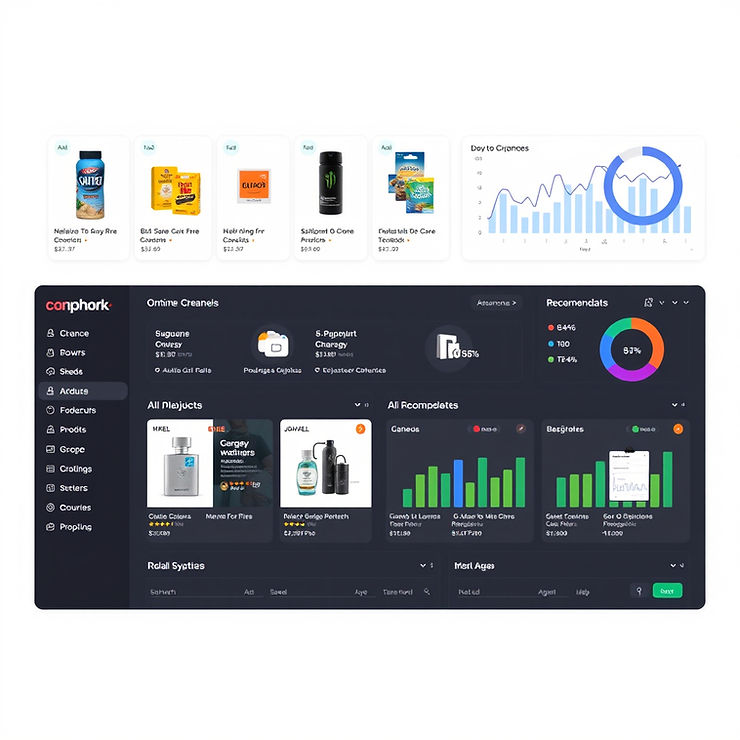
- Advanced analytics dashboards: Managers can see real-time sales patterns, peak hours, and product trends.
Small boutiques and large chains alike benefit. One boutique owner implemented a tablet POS system connected to their e-commerce platform. The staff could check stock and assist online orders in-store, reducing lost sales.
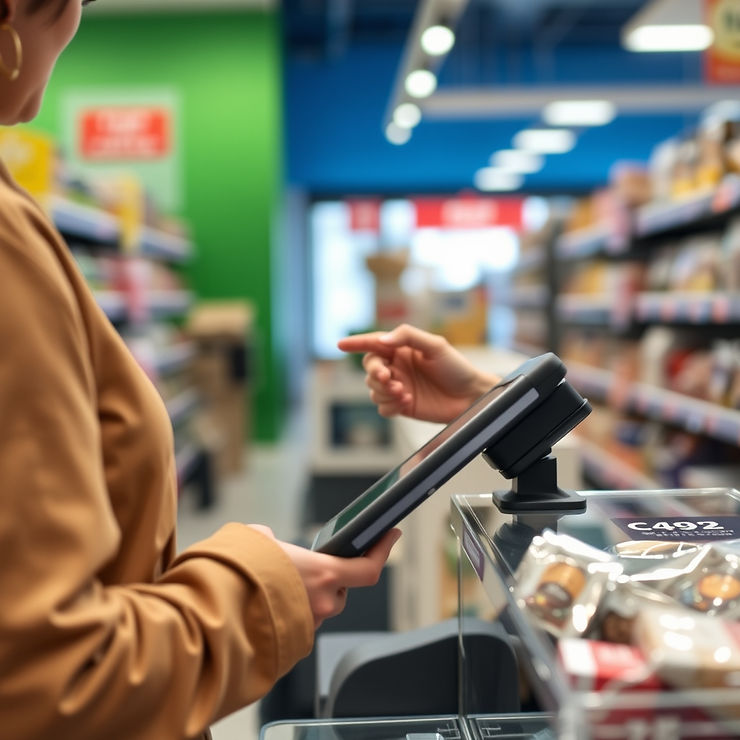
Yet, implementing a POS system requires careful planning. Migration of existing data, staff training, and software updates can be tricky—but the ROI usually outweighs the headaches.
Inventory Management: Predict, Track, and Optimize
Inventory management is becoming a science of prediction rather than simple counting. Modern systems are integrating AI, IoT, and analytics to reduce stockouts, overstock, and shrinkage.
2026 features:
- Real-time visibility: Monitor stock across warehouses, stores, and e-commerce.
- Automated restocking alerts: Prevent stockouts without manual checks.
- Demand forecasting: AI predicts seasonal spikes and slow-moving items.
- Supplier integration: Ensures timely replenishment from vendors.
For instance, a mid-sized electronics retailer linked their inventory system to both suppliers and e-commerce platforms. Stockouts dropped by 30%, and shipping delays decreased.
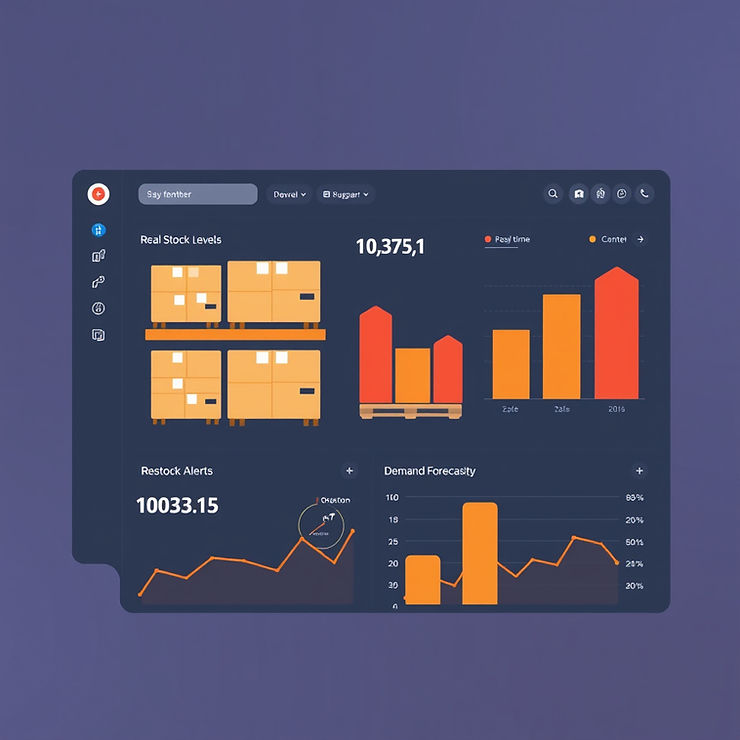
It depends on accurate data inputs. Bad or incomplete data can mislead forecasts, causing either overstock or shortages. So, the human factor—audits and oversight—remains vital.
Omnichannel Retail: Bridging Physical and Digital
Consumers increasingly expect a seamless shopping journey. They browse online, pick up in-store, or return items purchased online without friction. Retail software must accommodate these behaviors.
Key omnichannel capabilities in 2026:
- BOPIS (Buy Online, Pick Up In-Store)
- Cross-channel returns
- Unified loyalty programs
- Centralized customer analytics
One U.S.-based retailer implemented an omnichannel system that unified its POS, e-commerce, and loyalty programs. Customers could return online purchases at any store location, and staff could view online order history for personalized service. Revenue increased by 15% after just six months.
However, regional differences matter. Global retailers need scalable systems that adapt to local currencies, tax rules, and logistics—adding complexity to integration projects.
AI and Analytics: Turning Data into Decisions
Data is only as good as the insights you can extract. Modern retail software solutions increasingly include AI tools for predictive analytics, fraud detection, and personalized marketing.
Examples:
- Personalized marketing campaigns: AI predicts customer preferences to improve conversion.
- Predictive inventory planning: Helps prevent overstocking or stockouts.
- Fraud detection: Identifies unusual purchase patterns to reduce chargebacks.
- Customer insights: Detects buying patterns and emerging trends.
A small observation: AI suggests, but humans decide. One retailer said, “Our software tells us what might sell, but we still use experience to choose which promotions to push.”

Predictive analytics is powerful, but it’s not foolproof. Seasonal changes, sudden market shifts, or global events can disrupt even the best models. Flexibility is key.
Integration and Ecosystem Approach
Retail software rarely works in isolation. In 2026, integration is essential. Platforms now link e-commerce, POS, inventory, ERP, CRM, accounting, and marketing systems into one ecosystem.
Benefits:
- Faster decision-making with unified data
- Reduced errors from manual transfers
- Streamlined workflows across departments
- Greater scalability for future growth
A regional retailer integrated its POS, inventory, and e-commerce system. They could see real-time stock, automatically reorder items, and generate reports without manual work. This reduced staffing needs and improved accuracy.
Think of integration like a hub-and-spoke system: disconnected tools slow operations; a connected ecosystem accelerates them.
Emerging Trends and Future-Proofing Retail Software

Looking past 2026, some trends are gaining traction, though adoption isn’t universal yet:
- AR/VR shopping experiences: Virtual try-ons for fashion or furniture.
- Blockchain for supply chain: Ensures traceability, sustainability, and compliance.
- Sustainable tech adoption: Energy-efficient systems and paperless operations.
- Voice commerce expansion: More shoppers using voice assistants to order products.
These may not be mainstream for all retailers, but early adopters often gain a competitive edge. Maybe this becomes standard by 2027, or maybe not—it depends on cost, customer adoption, and software flexibility.
FAQ: People Also Ask
Adopting Retail Software Solutions in 2026
Retail software is more than technology—it’s a competitive advantage. Retailers that adopt integrated systems see better operations, happier customers, and stronger insights.
Retail software solutions from Invatechs help businesses select, integrate, and scale their systems—whether for e-commerce, POS, or inventory management.
Contact an expert today to modernize your retail operations and stay ahead as we move into 2026.